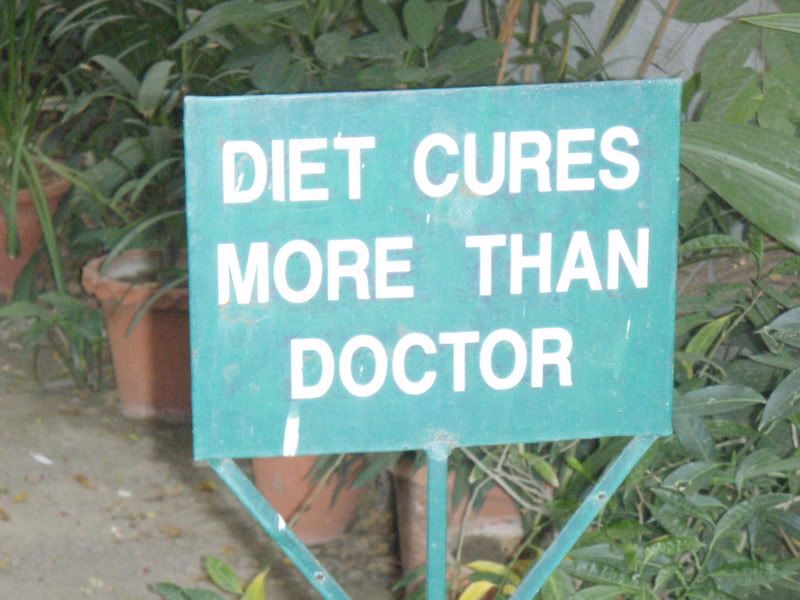
Image from UK Department for International Development
In session V, our strategic overview of Food Security, Rural and Agriculture Development as expressed in the Millennium Development Goals
touched upon the importance of the Education of Women, a topic very near and dear to my heart. The article, Agriculture, Food Security, Nutrition and the Millennium Development Goals by Joachim von Braun et. al discusses the importance of educating and empowering women to help achieve several of the MDGs, including enhancements in agricultural productivity and rural development in addition to improving maternal and child health, reducing child mortality and decreasing malnutrition among children. Of course, none of these occur in a vacuum, there are other factors involved in achieving these goals, including policy and social norms change, however, as Dr. Shahi mentioned in class, educating women goes a long way in reducing a lot of the problems that challenge the global community today.
I come from a male dominated culture, which places very little value on the education of women and emphasizes the role of women in the domestic arena. In addition to that I was born and spent the first 12 years of my life in the Soviet Union and while primary and secondary education was provided by the state, only the elite and wealthy had access and enough money and connections to bypass the corrupt college admissions process. I'm very fortunate to have had to opportunity to relocate to this country, where for the most part, women have as much access to education as men do. Despite prevailing chauvinist attitudes about the education of women in this country, including those of ex Harvard President Larry Summers (whether the comments were misconstrued and taken out of context is a separate discussion), even Harvard is taking steps to remedy the situation in naming their first female President since its founding in 1636.
The Population Council and the Rockefeller Foundation
list the benefits to society of educating women, including increased economic productivity, improvements in health, delayed age at marriage, lower fertility, increased political participation, and generally more effective investments in the next generation.
"While there are many other possible interventions to achieve these social goods, girls' education is the only one which impacts all of them simultaneously."
So while we are raking our brains looking for solutions and interventions to help solve some of the most difficult ills that plague our society, we must not overlook the most profound action we can take to advance society, eradicate hunger and poverty, and reduce child malnutrition etc.